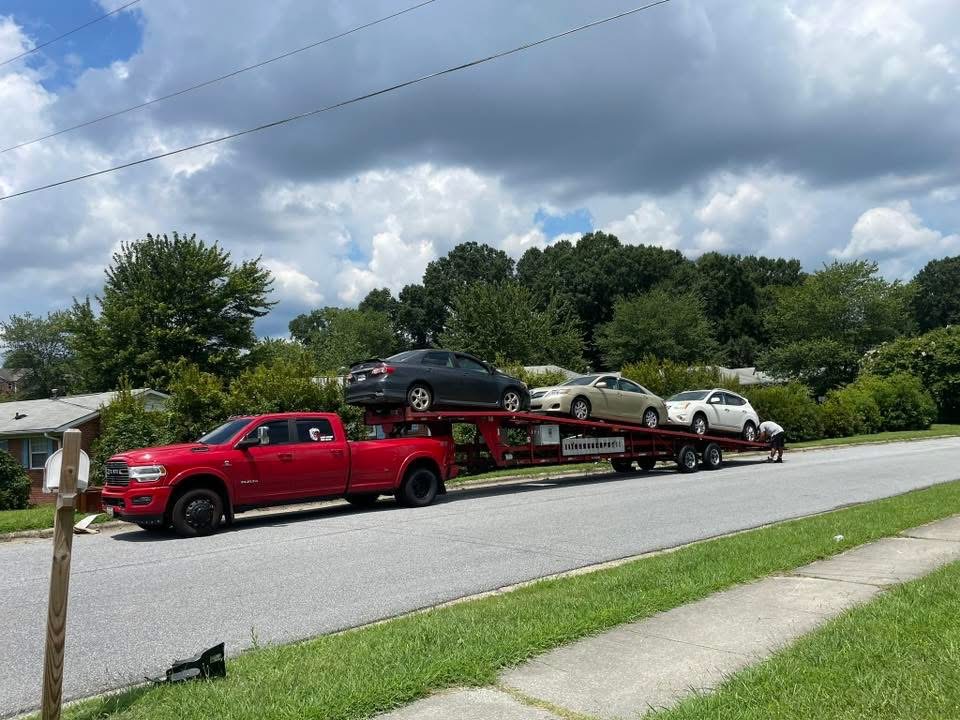
In Nigeria, "Tokunbo" has become synonymous with quality, value, and aspiration. These foreign used cars, imported primarily from Europe, America, and Asia, dominate our roads and offer an accessible entry point into car ownership for millions of Nigerians.
But navigating the world of Tokunbo cars can be tricky. From understanding import grades to avoiding common pitfalls, this comprehensive guide will equip you with everything you need to know before making your purchase.
What Exactly is a "Tokunbo" Car?
The term "Tokunbo" originated from the Yoruba language, traditionally referring to a child born abroad. In the automotive context, it describes vehicles imported into Nigeria as used cars, typically from countries like the United States, United Kingdom, Germany, Japan, and Canada.
These vehicles are often more affordable than brand-new cars while still offering quality and reliability when properly sourced.
Popular Countries of Origin
Different source countries offer different advantages. Here's what you should know:
USA
Clean vehicles, detailed history reports, often well-maintained
Japan
Excellent maintenance culture, strict export standards
Germany
Premium European brands, autobahn-tested vehicles
UK
Right-hand drive options, extensive service history
Understanding Import Grades
Japanese auctions use a grading system that's become industry standard. Understanding these grades is crucial:
| Grade | Meaning | Condition |
|---|---|---|
| Grade 4-5 | Excellent | Like new, minimal mileage, pristine condition |
| Grade 3.5 | Very Good | Minor wear, well-maintained, excellent value |
| Grade 3 | Good | Normal wear for age, mechanically sound |
| Grade 2-2.5 | Fair | Noticeable wear, may need repairs |
| Grade 1-1.5 | Poor | Significant wear, likely needs extensive work |

The 20-Point Inspection Checklist
Before purchasing any Tokunbo vehicle, use this comprehensive checklist:
1. Vehicle History Report
Obtain Carfax or AutoCheck report for US vehicles. Check for accidents, flood damage, or title issues.
2. Chassis and Frame
Look for signs of welding, rust, or structural damage. Check for consistent VIN stamps.
3. Engine Condition
Check for leaks, unusual noises, smoke color. Ensure engine number matches documents.
4. Transmission
Test all gears. Automatic should shift smoothly; manual should engage cleanly.
5. Electrical Systems
Test all lights, windows, air conditioning, radio, and dashboard indicators.
6. Suspension
Check for worn shocks, bushings, and unusual sounds when going over bumps.
7. Brakes
Check pad thickness, rotor condition, and brake fluid. Test braking performance.
8. Tires
Check tread depth, even wear, and manufacturing date (DOT code).
9. Interior Condition
Check seats, dashboard, carpet for excessive wear, smells, or water damage.
10. Paint and Body
Look for mismatched paint, rust spots, or signs of major bodywork.
Required Documents for Tokunbo Cars
A properly imported Tokunbo vehicle should come with these documents:
| Document | Purpose |
|---|---|
| Certificate of Origin | Proves where the vehicle was manufactured |
| Bill of Lading | Shipping document showing importation details |
| Import Duty Receipt | Proof that customs duties were paid |
| Customs Clearance Certificate | Official release from Nigeria Customs |
| Vehicle Identification Number (VIN) | Unique identifier for the vehicle |
| Insurance Certificate | Proof of third-party or comprehensive insurance |
Red Flags to Watch Out For
- Flood-damaged vehicles – Often from hurricane-prone areas, these have hidden electrical and mold issues.
- Salvage or rebuilt titles – Indicates the vehicle was declared a total loss by an insurance company.
- Odometer rollback – Check for inconsistent wear or service records that don't match mileage.
- VIN discrepancies – Numbers on dashboard, door jamb, and documents should match.
- Missing import documents – Never buy a Tokunbo without proper clearance papers.
- Too-good-to-be-true prices – If it's significantly cheaper than market value, there's usually a reason.
Cost Breakdown: What to Expect
When budgeting for a Tokunbo vehicle, consider these costs:
- Vehicle Cost: The price of the car itself, typically 40-60% less than a brand new equivalent
- Shipping and Insurance: Approximately ₦500,000 - ₦1,500,000 depending on vehicle size and origin
- Import Duties: 35% of the vehicle's value (varies by age and engine size)
- Clearing and Port Charges: ₦200,000 - ₦500,000 for clearing agent fees
- Transportation to Your Location: ₦50,000 - ₦200,000 depending on distance
- Registration and Plates: ₦50,000 - ₦100,000 for new registration
- Minor Repairs and Servicing: Budget ₦200,000 - ₦500,000 for immediate maintenance
Popular Tokunbo Models in Nigeria
Based on reliability, parts availability, and resale value, these models are consistently popular:
Toyota (The King of Tokunbo)
- Corolla: Fuel-efficient, parts everywhere, excellent resale
- Camry: Comfortable, spacious, ideal for families
- Prado: The ultimate Nigerian SUV, holds value incredibly well
- Highlander: Family-friendly with good ground clearance
- Hiace: Perfect for commercial transport
Honda
- Accord: Reliable, comfortable, good fuel economy
- CR-V: Compact SUV with excellent reliability
- Pilot: Spacious 3-row SUV for larger families
Lexus
- RX330/350: Luxury SUV with Toyota reliability
- ES350: Premium sedan with exceptional comfort
- GX470: Off-road capable luxury SUV
Mercedes-Benz
- C-Class: Entry-level luxury with prestige
- E-Class: Executive comfort, popular with professionals
- ML/GLE: Luxury SUV with strong presence
The Adedayo Aremu Autos Advantage
When you buy a Tokunbo vehicle from us, you get:
- Comprehensive Inspection: Every vehicle undergoes our 50-point inspection checklist
- Full Documentation: All import papers, customs clearance, and registration handled
- Vehicle History Reports: We provide Carfax or equivalent for transparency
- Warranty Options: Peace of mind with our warranty packages
- Financing Available: Flexible payment plans for qualified buyers
- After-Sales Support: We're here even after you drive away
Frequently Asked Questions
Are Tokunbo cars reliable?
Yes, when properly sourced and inspected. Japanese and European vehicles are built to high standards and can provide years of reliable service with proper maintenance.
How do I verify a car's history?
Use services like Carfax (for US vehicles) or ask for auction sheets (for Japanese vehicles). We provide these reports for all our vehicles.
What's the difference between Nigerian Used and Foreign Used?
"Nigerian Used" refers to vehicles already registered and used in Nigeria, often with multiple owners. "Foreign Used" (Tokunbo) are freshly imported, often with one previous owner abroad.
How long does importation take?
Typically 4-8 weeks from purchase to delivery, depending on the origin country and shipping schedules.
Can I inspect the car before payment?
Absolutely! We encourage all buyers to inspect vehicles in person at our showroom. We also offer virtual inspections for remote buyers.
"A properly sourced Tokunbo vehicle isn't just a car – it's an investment in quality, value, and peace of mind. The key is knowing what to look for and who to trust."
- Adedayo Aremu, Founder



Leave a Comment